What to wear for Outdoor Winter Workouts
A practical layering guide for cold-weather training
Training outdoors through winter can be one of the most effective ways to stay consistent with your fitness. Crisp air, quieter parks, and fewer distractions often lead to focused, high-quality sessions. For many people, winter is also when discipline is built. Showing up when conditions are not ideal reinforces routine, resilience, and confidence.
However, cold weather brings one major challenge that can make or break your training. Dressing incorrectly.
Wearing too little can shorten sessions due to cold exposure, stiff joints, and reduced grip strength. Wearing too much often leads to overheating, excessive sweating, and feeling colder as soon as intensity drops. The goal is not to stay warm at all costs, but to stay dry, mobile, and temperature-regulated throughout the session.
This guide explains how to dress for outdoor winter workouts using a simple layering system adapted from hiking and endurance sports, tailored specifically for calisthenics, bodyweight training, and functional movement outdoors.
Why clothing matters more in winter training
In cold conditions, the body works harder to regulate temperature. During training, you produce heat quickly, but during rest periods, static holds, or coaching breaks, that heat is lost just as fast. Wet clothing accelerates this process.
Poor clothing choices can lead to:
- Reduced performance due to stiffness or numbness
- Increased injury risk from cold muscles and joints
- Shortened sessions caused by discomfort
- Avoidance of outdoor training altogether
Getting clothing right removes friction. When you are comfortable, you move better, train longer, and stay consistent across the winter months.
The layering principle explained
The most effective way to dress for outdoor winter workouts is by using layers, each with a specific purpose. This system allows you to adapt as your body temperature rises and falls during the session.
A useful rule of thumb:
Start slightly cool. If you feel perfectly warm before you begin, you are likely overdressed.
Layering gives you control. Instead of relying on one thick item, you combine lighter layers that can be added or removed as needed.
The three main layers are:
- Base layer for moisture management
- Mid layer for insulation
- Outer layer for weather protection
Each layer plays a role, and skipping one often leads to discomfort later in the session.
Base layer: moisture management
The base layer sits directly against your skin and is the most important layer for comfort in winter.
Its primary job is to move sweat away from the body.
During training, even in cold weather, you sweat. If that moisture stays on your skin, it cools rapidly once intensity drops. This is when people feel suddenly cold halfway through a workout.
What to look for in a base layer
- Lightweight, breathable fabric
- Synthetic performance materials or merino wool
- Close fitting without restricting movement
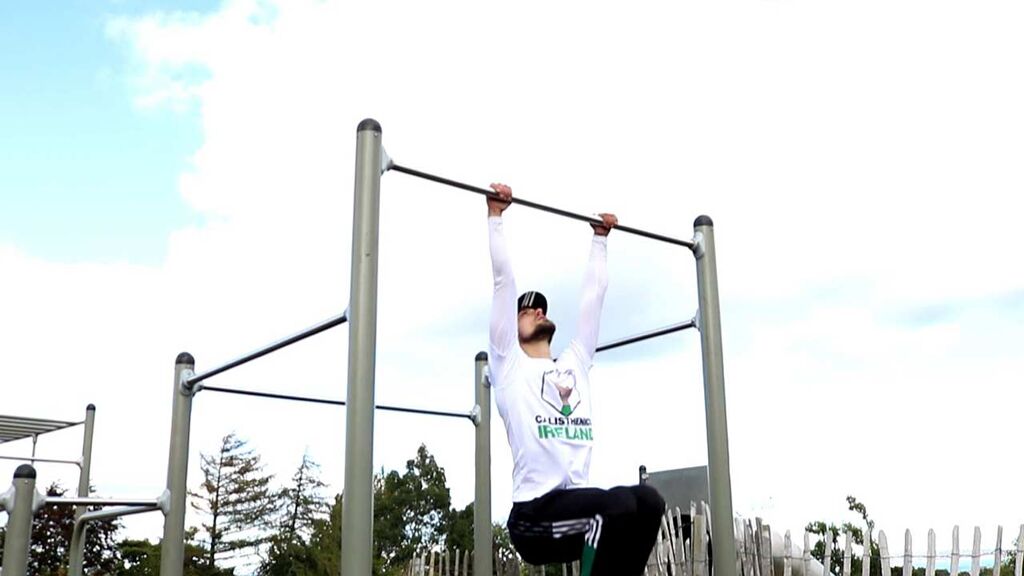
- Long sleeves for most winter conditions
Merino wool has the advantage of regulating temperature and resisting odour, while synthetic fabrics dry faster and are often more affordable. A strong middle ground between high-end merino wool and entry-level synthetic clothing is blended fabrics.
Garments made from roughly 50 percent wool and 50 percent polyester are often significantly cheaper than premium merino, while still offering many of the same benefits such as improved temperature regulation, moisture management, and comfort during longer sessions.
What to avoid
- Cotton t-shirts or regular long sleeves
- Thick, absorbent fabrics
- Loose tops that trap moisture
Cotton absorbs sweat and holds it against the skin. Once wet, it provides no insulation and will make you feel colder as the session goes on.
For most outdoor winter workouts, a long-sleeve performance base layer is sufficient as your foundation.
Mid layer: insulation and warmth
The mid layer provides warmth by trapping body heat while still allowing airflow. This is often the most flexible layer and the one you adjust most frequently.
Its job is to keep you warm once your body temperature stabilises during training.
Good mid layer options include
- Light performance fleece
- Training hoodie made from synthetic material
- Thin insulated jacket designed for movement
The mid layer should not be bulky or heavy. You should be able to move your shoulders freely, hang from bars comfortably, and perform full range pushing and pulling without restriction.
In many cases, placing a cotton hoodie directly over a base layer is not the best option. Cotton absorbs sweat from the base layer, becomes damp, and holds the cold against your body.
If a cotton hoodie is your only available option, there is still a simple workaround. Adding a lightweight synthetic or performance t-shirt on top of your base layer creates a barrier between the base and the hoodie. This reduces moisture transfer between layers and helps you stay drier and warmer during the session.
For higher-intensity sessions, many people will remove the mid layer after the warm-up. For lower-intensity skill work or sessions with longer rest periods, it often stays on.
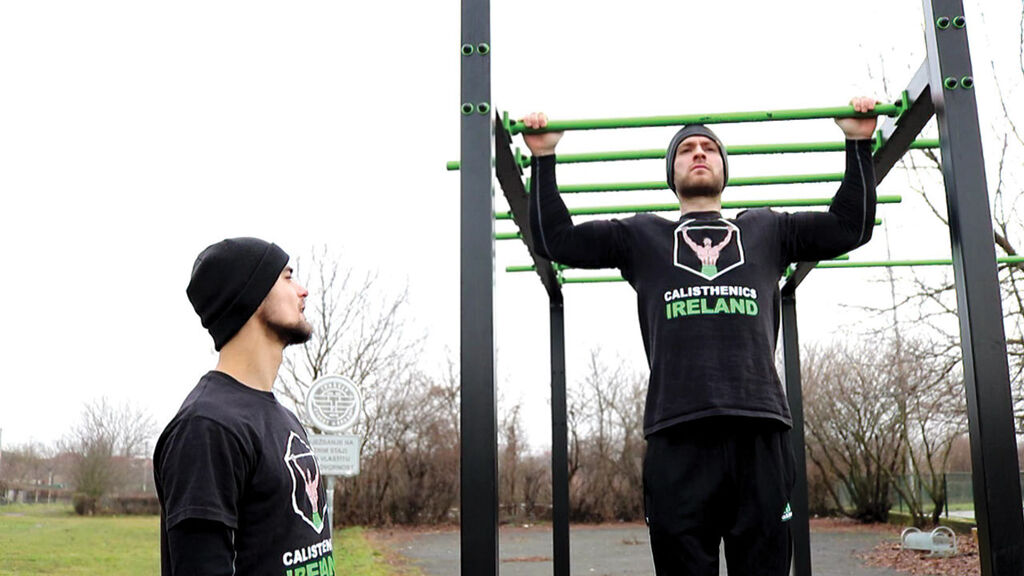
A long-sleeve base layer combined with a lightweight performance t-shirt works particularly well here. This setup allows you to remove the mid layer while still maintaining warmth without overheating. At Calisthenics Ireland, this is our go-to winter training setup.
Choose a mid-layer you can easily take off and tie around your waist or place beside the training area.
Outer layer: wind and weather protection
The outer layer protects you from wind, light rain, and exposed conditions that are common in open parks and outdoor gyms.
Its job is to block the elements without trapping excessive heat.
Wind is often the biggest issue in winter training. Even on dry days, wind can strip heat quickly, especially during static holds or rest periods.
What to look for in an outer layer
- Lightweight windbreaker or softshell jacket
- Breathable fabric to prevent overheating
- Minimal bulk and unrestricted movement
- Simple zip design for quick ventilation
Heavy padded jackets are rarely suitable for training. They restrict movement, trap heat, and usually need to be removed early in the session.
A thin windproof layer often makes a bigger difference than adding extra insulation underneath.
Lower body: often overlooked but still very important
Many people focus heavily on upper body layers and neglect the lower body. While legs generate a lot of heat during movement, they still need protection, particularly during warm-ups, rest periods, and static strength work.
Good lower body options include
- Thermal leggings
- Training tights with brushed lining
- Joggers with light wind resistance
- Shorts layered over leggings for mobility
Layering shorts over leggings can provide warmth while maintaining freedom of movement. On colder days, combining thermal leggings with joggers is a reliable option. This keeps the lower body warm while still allowing full range of motion for squats, lunges, and dynamic drills.
Avoid stiff fabrics that limit hip or knee movement. Cold weather already reduces joint mobility, so clothing should support full range of motion.
Hands, head, and feet: small details that matter
Smaller areas lose heat quickly and they are the first to get cold. These are can have a significant impact on performance and comfort.
Hands
Cold hands reduce grip strength and make bar work uncomfortable. Cold metal bars amplify this effect.
- Thin training gloves are strongly recommended
- Look for gloves with grip rather than bulky insulation
- Avoid gloves that reduce finger movement
Head
A significant amount of heat is lost through the head.
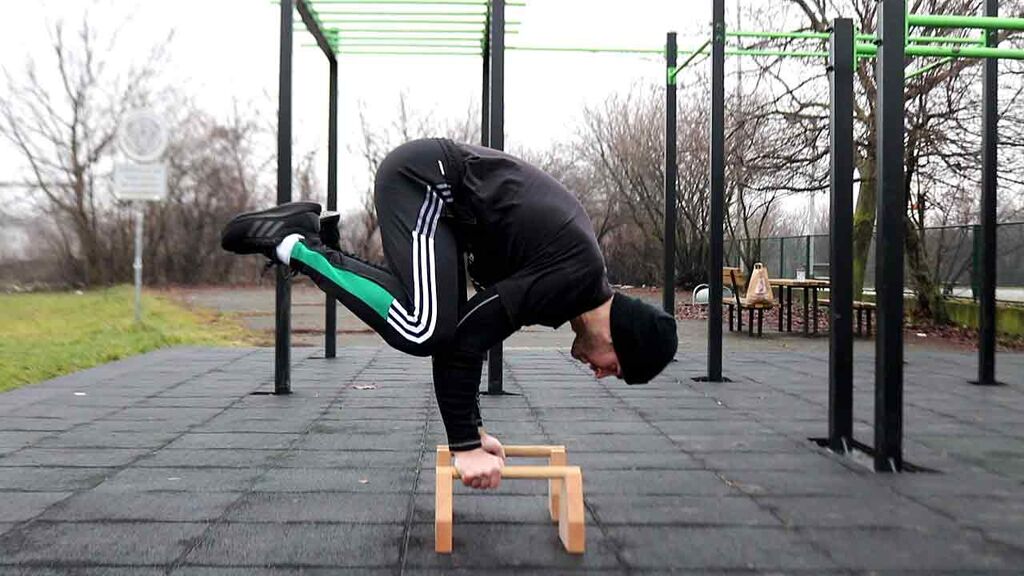
- A thin thermal beanie or performance-material hat is usually enough
- Choose breathable fabrics to avoid overheating
- Remove it easily once you are fully warmed up
Feet
Cold or wet feet can ruin an entire session.
- Wear warm, moisture-wicking socks
- Merino or synthetic blends work best
- Avoid cotton socks
Footwear should still provide grip and stability. Do not size up excessively to fit thicker socks, as this can reduce control and affect balance during training.
Ideally, choose shoes that offer some level of weather resistance without restricting movement. Footwear that is at least rain-repellent is usually sufficient for most winter sessions, but if possible, fully waterproof options help keep feet dry in prolonged wet conditions. Dry feet make a noticeable difference to comfort and focus during outdoor training.
Adjusting clothing based on training style
Not all outdoor workouts are the same. Clothing choices should reflect the type of session you are doing.
High-intensity sessions
For circuits, conditioning, cardio or short rest workouts:
- Lighter layers overall
- Focus on moisture management
- Expect to remove layers early
Strength and skill sessions
For static holds, skill progressions, and longer rest periods:
- Slightly warmer setup
- Keep mid or outer layer accessible
- Prioritise warmth during rest
Coaching or group sessions
If you are coaching or spending time observing:
- Dress warmer than participants
- Insulation matters more than sweat management
- Consider an extra outer layer
Common winter training mistakes to avoid
Many winter discomfort issues come down to simple mistakes.
- Wearing cotton hoodies or t-shirts
- Dressing too heavily before warming up
- Wearing layers that cannot be removed
- Ignoring wind conditions
- Prioritising style over function (big one!)
Prioritising style over function is a common mistake, particularly in colder weather. Clothing should support movement, comfort, and performance first. Training outdoors is not about appearance, but about consistency and quality of work.
Good winter clothing should feel boring but effective. Comfort and function always outperform aesthetics when training outdoors.
Final thoughts: train through winter with confidence
Winter training does not require excessive gear or complicated setups. With the right layering system, outdoor workouts can remain comfortable, effective, and enjoyable throughout the colder months. Remember, correct clothing does not have to break your bank either. Most entry level clothes is very affordable. Aim for what is correct, not what is flashy. The aim of the game is to continue your fitness over the colder months, and once you feel consistent with your sessions, you can invest into higher grade gear and push your sessions even further.
Dress for movement. Stay dry. Adjust early rather than waiting until you are cold or overheated.
When clothing stops being a distraction, winter becomes an advantage rather than an obstacle. Many people give up outdoor training when temperatures drop. Those who prepare properly keep building strength, consistency, and momentum while others pause.
Done right, winter can be one of the best times to train outdoors.
Miko | Calisthenics Ireland
Miko is a personal trainer and FRC mobility specialist with a keen passion for human anatomy, functional movement and posture.
Linkedin