Why Recovery Can Make You Feel Sore
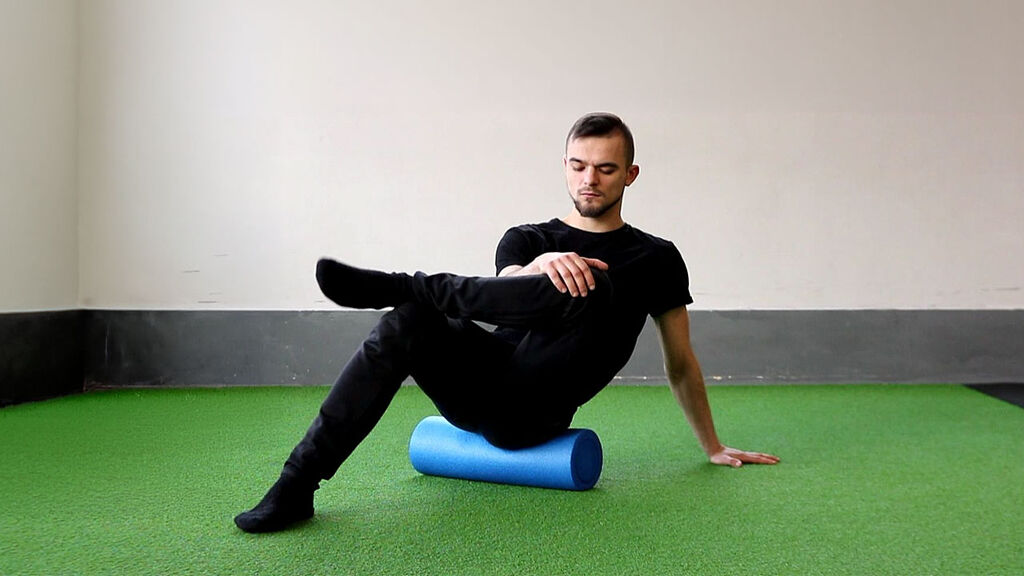
Recovery work often becomes part of a routine only after training starts feeling harder than expected. Tight muscles, lingering soreness, or fatigue push people toward foam rolling, mobility work, stretching, or massage in hopes of feeling better.
At this stage, a common question arises:
Why do I feel more sore after doing recovery work?
What surprises many people is that recovery sessions can sometimes make muscles feel temporarily worse before improvement appears. This can feel confusing because recovery is meant to reduce soreness, not increase it. Short-term discomfort is often part of how the body adapts and repairs itself.
Understanding this process helps people stay consistent with recovery instead of abandoning it too early.
Recovery work is still stress on the body
Recovery methods are often seen as passive, but techniques such as foam rolling, deep stretching, mobility drills, and massage still apply pressure and movement to tissues that may already be tight or overloaded.
Muscles and connective tissues that have been stressed from training, posture, or repetitive movement often become stiff and restricted. Recovery work stimulates these areas, increasing blood flow and encouraging tissue repair.
Because of this, people may temporarily experience:
- Muscle tenderness
- Local stiffness
- Mild inflammation
- Fatigue in treated areas
- Sensitivity in previously tight muscles
In simple terms, recovery work wakes up tissues that have been under stress and they need time to adjust.
Soreness can spike before improvement
Many athletes notice something similar when returning to training after time off. Initial sessions feel tougher and soreness can increase before strength and movement improve.
Recovery work can create a comparable response because:
- Blood flow increases to damaged or tight areas, which may cause temporary inflammation
- Muscle knots and tension are released, leaving tissues sensitive for a short period
- Weak or inactive muscles begin working again, creating mild soreness as they adapt
- Movement patterns change, placing new demands on previously underused muscles
This short-term discomfort is often a sign that tissues are responding and beginning to adapt.
The term “healing crisis” in sports recovery
Some people describe this temporary increase in soreness as a “healing crisis”. The term is more common in alternative health settings, but in sports recovery it usually means feeling worse briefly before improvement begins.
In practical terms, this simply reflects the body adjusting to recovery work and repairing stressed tissues. Recovery responses should be temporary and followed by improved movement and comfort.
What a normal recovery response looks like
A healthy response to recovery work usually follows this pattern:
- Slight soreness or tenderness after recovery work
- Temporary stiffness within the first 24 to 48 hours
- Gradual improvement in movement and comfort
- Better mobility and reduced tension within a few days
Most people notice that after initial sessions, their body starts responding better and soreness decreases over time. Consistency is crucial. Regular, moderate recovery work produces better results than occasional aggressive sessions.
When soreness is a warning sign
Not all pain is productive. It is important to know the difference between normal tissue response and signs that recovery work is too aggressive or poorly timed.
Recovery methods should not cause:
- Sharp or stabbing pain
- Increasing pain day after day
- Swelling or bruising
- Reduced movement or strength
- Lingering soreness lasting more than three or four days
If these occur, intensity should be reduced or recovery methods adjusted. Recovery should ultimately make movement easier, not harder.
Foam rolling and massage expectations
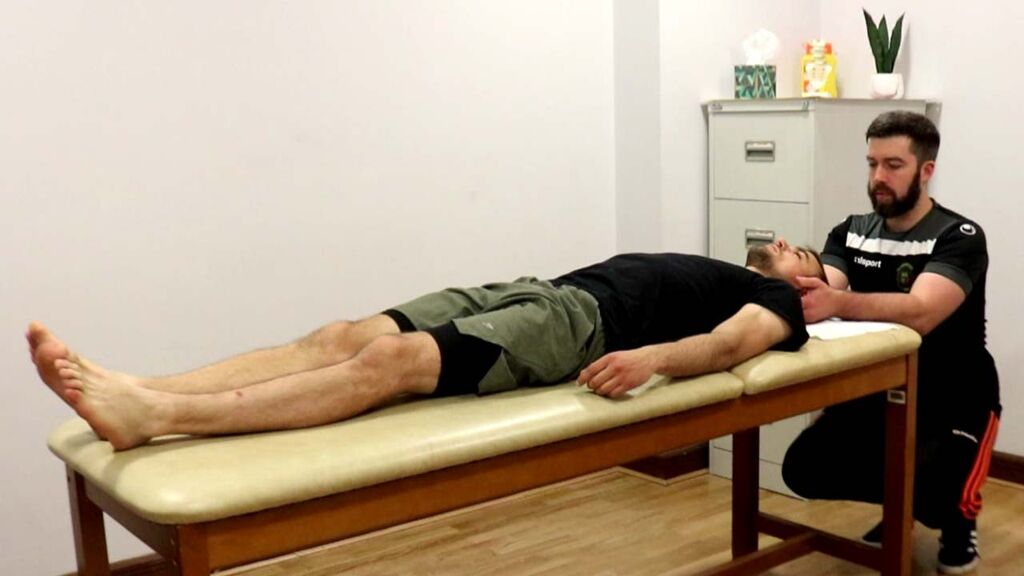
Foam rolling and massage are often misunderstood as needing to be painful to work. Excessive pressure can irritate tissue rather than help it recover.
Uncomfortable is okay. Really painful is not.
You are looking to be within 5 to 7 out of 10 pain. Moderate pressure that allows muscles to relax is more effective than forcing through pain. Recovery tools should encourage the nervous system to relax, not tense up.
Tip: Roll slowly, focus on tight spots, breathe deeply, and stay at moderate pressure.
Recovery is more than massage and foam rolling
Many people focus only on physical recovery tools while ignoring other critical factors that influence how well the body repairs itself.
True recovery also includes:
- Quality sleep
- Proper hydration
- Balanced nutrition
- Managing training volume and intensity
- Stress management
- Rest days or lighter sessions
Without these foundations, massage or foam rolling alone will not solve recovery problems.
Why recovery education matters
A common mistake is stopping sports recovery work because initial sessions feel uncomfortable. Without understanding the process, people assume something is wrong.
Clear education helps athletes:
- Stay consistent with recovery habits
- Avoid unnecessary worry
- Improve long-term training progress
- Reduce injury risk
- Understand how their body adapts
Recovery, like strength or endurance, improves through consistent, sensible practice.
Practical takeaway
If you feel slightly sore after starting foam rolling, massage, or mobility work, this is often part of your body adjusting and repairing itself. Give your body time to respond and keep recovery practices moderate and consistent.
Recovery should steadily help you feel and move better. If discomfort increases or lasts longer than a few days, reduce intensity or consult a coach or professional.
Remember: Consistent, moderate recovery helps your body adapt, reduces injury risk, and keeps you moving better without causing pain.
Miko | Calisthenics Ireland
Miko is a personal trainer and FRC mobility specialist with a keen passion for human anatomy, functional movement and posture.
Linkedin