What is Calisthenics and its benefits
What is calisthenics?
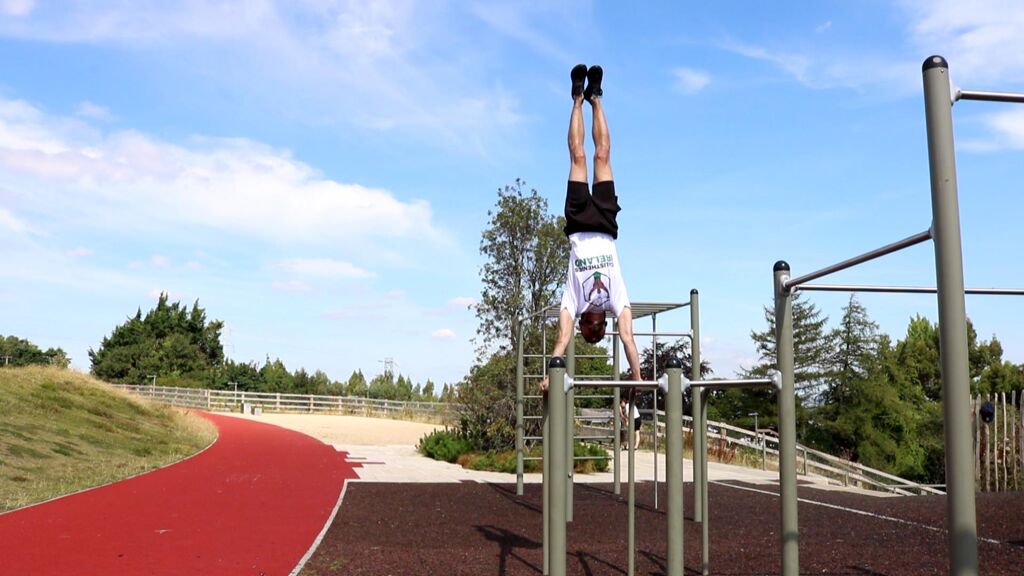
Whenever you mention the term calisthenics, people often assume that it is some “trendy new way” of working out. However, that is certainly not the case. Simply put, calisthenics is a way of working out with your body and no/very little external equipment.
People have been doing it for thousands of years, with the word “calisthenics” originating in ancient Greek. The word itself derived from the word “kalós”, which means “beauty”, and the word “sthénos”, which means “strength”. The training itself revolves around using your own bodyweight using gravity as the resistance to build a strong, functional, and aesthetically pleasing body.
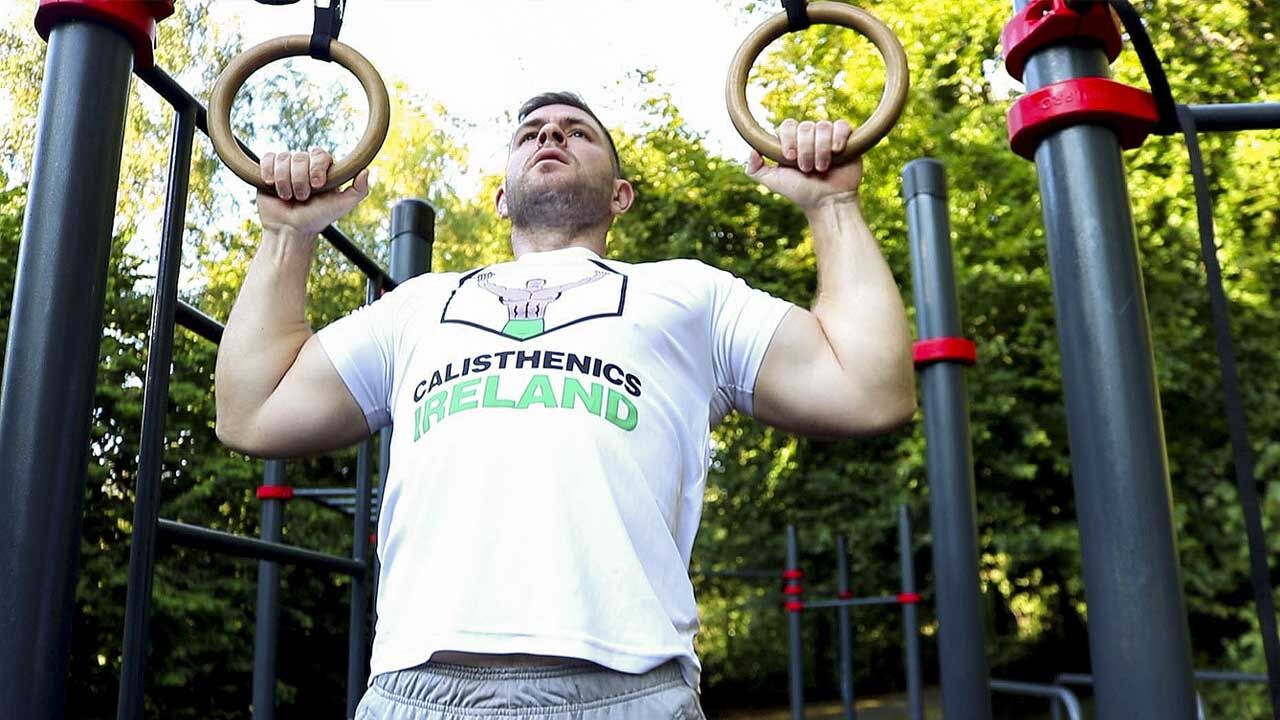
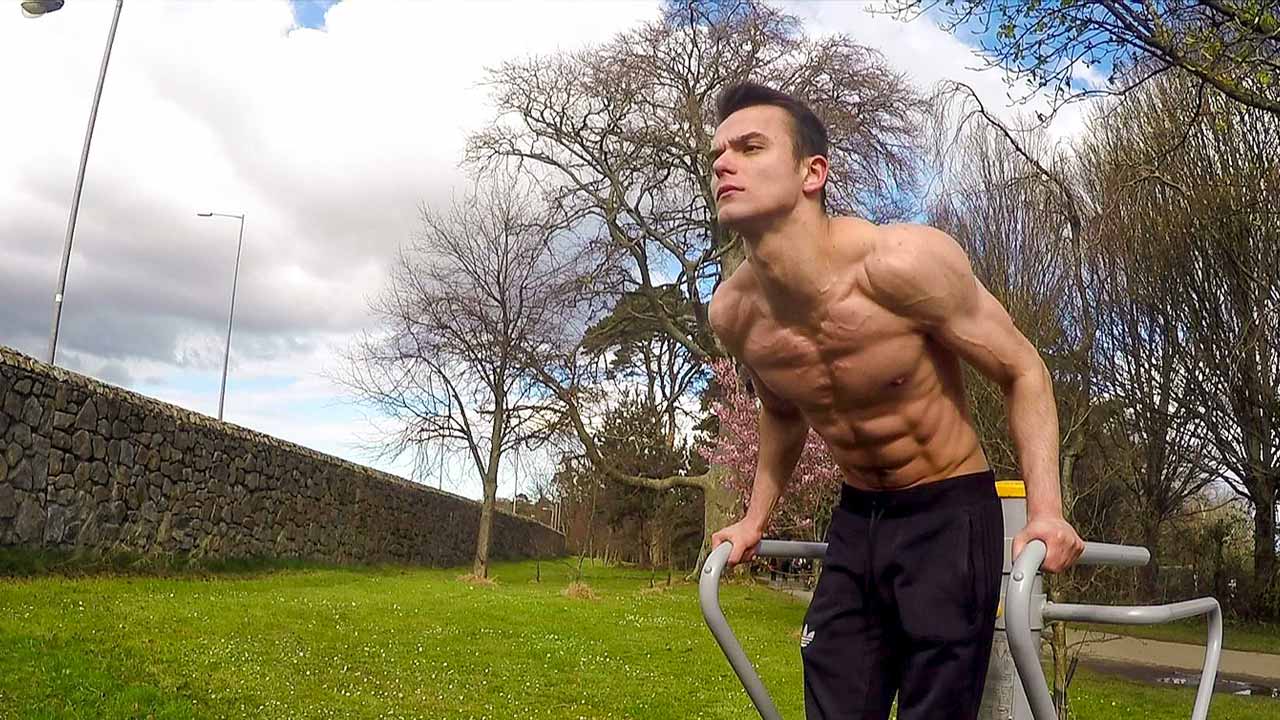
You may not have realised it before, but you could have been training calisthenics throughout your life without knowing. Exercises including squats, push-ups, and pull-ups are some of the most fundamental calisthenics exercises out there. The entry level to bodyweight training is relatively low, making it very appealing to most fitness enthusiasts.
Benefits of Calisthenics (bodyweight training)
Calisthenics is a very beneficial form of exercise, especially if you are just starting out. The reason bodyweight training is particularly great for beginners is that it gives them an understanding of how it feels to move and control their own bodies effectively by learning natural human movement patterns.
The majority of exercises are compound movements, which means that they engage many muscle groups at one time. This provides a more efficient and comprehensive workout. The movements often focus on core training to develop trunk strength and stability, making them highly beneficial for people of all ages and fitness levels.
One of the most appealing perks of performing bodyweight training is the safety element, especially as we get older. Calisthenics is often considered safer for our bodies and less demanding on our joints and tendons compared to weight training. The risk of injury is lower as you are only using your own bodyweight as resistance instead of external forces such as free weights or weighted machines.
Another huge bonus is that calisthenics can be performed almost anywhere! This is contrary to conventional gyms, which require memberships and expensive equipment. Bodyweight training can be performed for free at home or at your local parks. Moreover, training at the park can offer additional benefits such as fresh air, peace of mind, and meeting new people with common interests. To make this even easier for you, we have created a park map showing calisthenics training areas located throughout Ireland.
Almost everyone has been practising some bodyweight training during their lifetime. Simple actions that you perform in your daily life, such as walking upstairs or getting out of bed, would to be considered to be low-level calisthenics. Despite bodyweight training being very simple in theory, its application can be challenging, especially higher-level calisthenics that can really test the individual to their physical and mental limits.
Looking to get started with calisthenics? We’ve got you covered!
Take the first step to becoming a stronger, healthier version of yourself and consider signing up to Calisthenics Ireland today:
- If you live in Dublin and would like to getting started with calisthenics check out our personal training.
- For people outside of our reach you can check our online coaching.
- If you are looking for a workout plan without coaching please check out our workout plans.
- For more information on our services please contact us via our contact form.
Miko | Calisthenics Ireland
Miko is a personal trainer and FRC mobility specialist with a keen passion for human anatomy, functional movement and posture.
Linkedin