How Much Exercise Do You Really Need for Fat Loss?
Many people assume fat loss is mostly about how much they exercise. When progress slows, the natural instinct is to train more, push harder, or add extra sessions. This assumption is one of the most common reasons people feel stuck despite consistent effort.
This belief is understandable. Exercise feels productive. It requires effort, time, and commitment. When results do not follow, frustration builds quickly.
The reality is that fat loss does not respond linearly to increasing training volume. Past a certain point, doing more exercise often produces very little additional fat loss.
Understanding how much exercise is actually needed helps people stop guessing and start applying effort more effectively.
Why fat loss often feels like exercise should be enough
When someone starts training regularly, fat loss often occurs early on. As activity levels increase and daily energy expenditure rises, the body works harder to adapt to new movements.
These early changes create a strong association between exercise and visible results. Over time, this relationship weakens.
As fitness improves, the body adapts. Movements become more efficient, and the same workouts burn fewer calories than they once did. The same training stimulus produces less disruption to energy balance.
This is not a failure of discipline. It is normal physiology.
How much exercise is actually needed for fat loss
For most people, fat loss does not require extreme training schedules.
General guidelines suggest that around 150-300 minutes of moderate-intensity activity, or around 150 minutes of vigorous-intensity activity per week, is enough to support fat loss when nutrition is aligned.
This activity can come from different sources:
- Structured strength training
- Moderate intensity cardio
- Daily movement outside of workouts
Beyond this range, returns diminish unless food intake is also adjusted. More exercise may improve fitness further, but it does not guarantee continued fat loss. This is where many people feel confused. Effort increases, but outcomes stay the same.
At this stage, progress is not blocked by effort, but by where effort is being applied.
Strength training and fat loss
Strength training plays an important role in fat loss, but not because it burns the most calories. Its value lies in what it preserves.
Strength training helps:
- Maintain muscle during fat loss
- Support overall metabolic health
- Improve insulin sensitivity
- Preserve strength and mobility as weight changes
A realistic aim is a minimum of two strength sessions per week for most people. More is not automatically better, especially if recovery quality declines.
This is one reason training alone often improves how the body performs without meaningfully changing how it looks. The adaptations are real, but they are not fat loss specific. This distinction is explored further in our article on why exercise alone is not enough for fat loss.
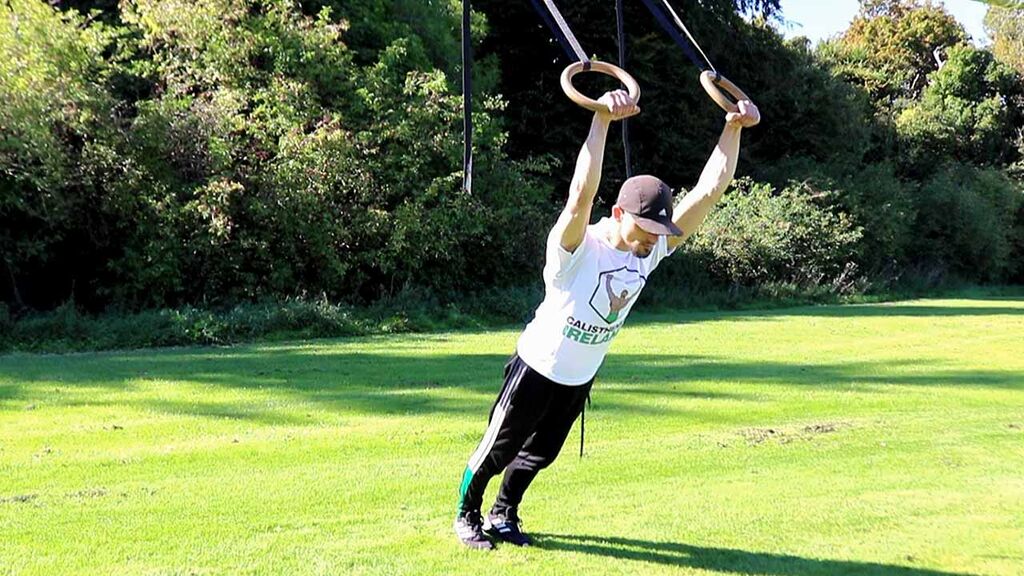
Cardio and the illusion of doing enough
Cardio is often viewed as the primary fat loss tool because it feels demanding and produces immediate feedback. Sweat increases, breathing becomes heavy, and effort feels obvious.
However, cardio also triggers appetite and compensation. After training, people often eat slightly more without realising it. Portions increase, snacks appear, and food choices shift. Over time, this offsets much of the energy used during exercise.
This compensation is rarely intentional. It is a normal response to increased demand. As a result, adding more cardio often leads to more fatigue and hunger rather than faster fat loss.
Why recovery matters more than exercise effort
Fat loss is not driven by how hard someone trains on a single day. It responds to what the body can sustain week after week.
When recovery suffers:
- Workout quality drops
- Stress levels rise
- Sleep quality declines
- Appetite and food control become harder
At this point, additional exercise becomes counterproductive. Reducing volume slightly often improves results more than increasing it.
This is why many people see progress improve when they stop chasing exhaustion and start managing recovery properly.
What a realistic training structure looks like
For most people pursuing fat loss, a balanced week includes:
- At least 2 strength training sessions per week
- 1-2 moderate cardio sessions per week
- Regular low-intensity movement (such as walking or mobility work)
- At least one full rest day
For most beginners, three workouts per week is more than enough to create a realistic and noticeable difference.
This frequency is also maintainable, which is the key to building long-term habits. As your strength and overall fitness improve, you can gradually add more training days if needed.
Consistency matters more than doing too much too soon. Rather than overdoing it one week and backing off the next, aim for a training structure you can realistically commit to week after week.
This approach supports fat loss while remaining sustainable.
Progress should be assessed using more than scale weight alone:
- Measurements
- Clothing fit
- Photos
- Energy levels
These indicators often show change before the scale does.
When exercise stops being the limiting factor
If training is consistent, recovery feels manageable, and effort remains high, exercise is rarely the factor preventing fat loss.
At that stage, food intake becomes the primary influence. This does not mean nutrition must be perfect or restrictive. It means it needs to be more aligned with your goals.
This relationship is explained in more depth in our main article on exercise vs nutrition and what really drives results.
A sustainable perspective
The question is not how much exercise you can tolerate. It is how much exercise allows you to recover, eat consistently, and maintain your routine long term.
Fat loss responds best to consistent, manageable effort rather than extreme intensity. Training should support progress, not compete with it.
Miko | Calisthenics Ireland
Miko is a personal trainer and FRC mobility specialist with a keen passion for human anatomy, functional movement and posture.
Linkedin