Exercise vs Nutrition: what really drives results?
When people begin training, one of the most common questions they ask is whether exercise or nutrition matters more. Some believe that consistent training alone should be enough to see results, while others argue that diet is everything and exercise plays only a supporting role.
The truth sits somewhere in between. When it comes to exercise vs nutrition, neither works properly in isolation. Exercise and nutrition influence the body in different ways, and their relative importance depends on your goal. Fat loss, muscle gain, performance, and long-term health all place different demands on the body.
Understanding how exercise and nutrition work together allows you to set realistic expectations, avoid common frustrations, and build an approach that delivers results you can sustain.
The role of exercise
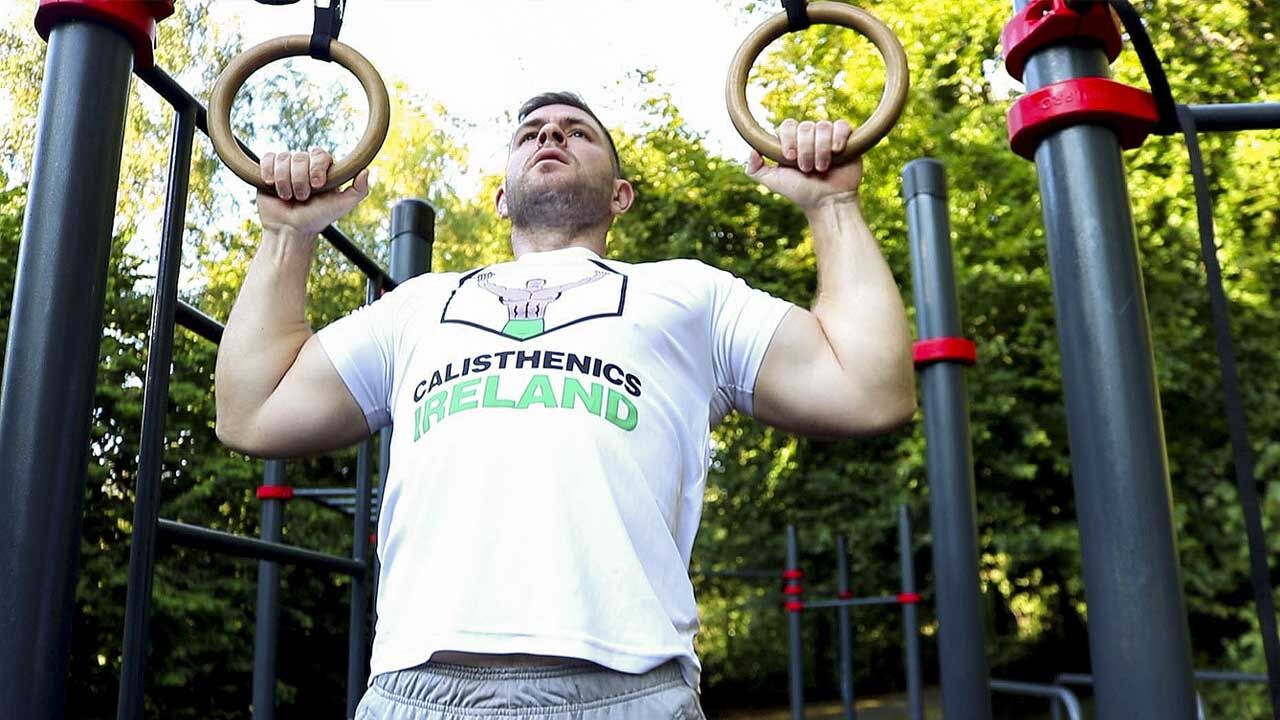
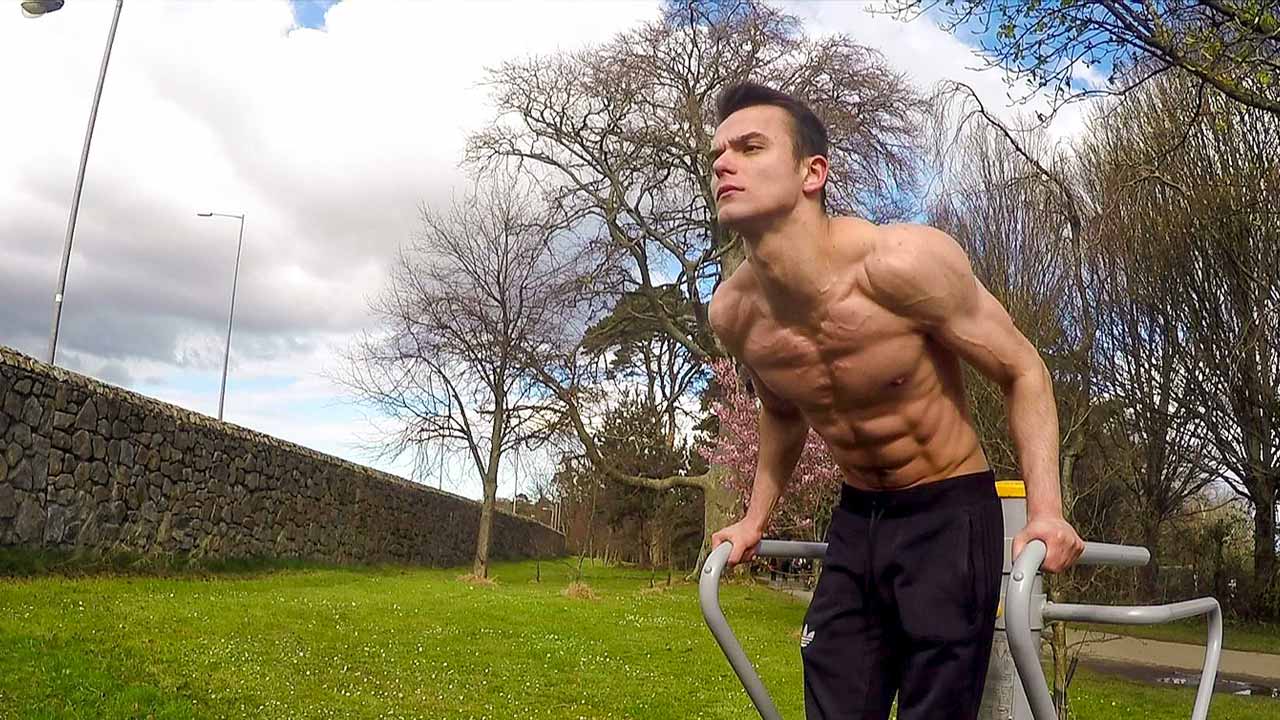
Exercise provides the stimulus for physical change. Whether it’s calisthenics, weightlifting, or functional training, the demands placed on the body determine how it adapts.
Through regular training, you can:
- Build strength and physical capacity
- Improve movement quality and coordination
- Increase or preserve muscle mass
- Improve cardiovascular fitness
- Develop confidence in how your body moves
For beginners especially, training alone often leads to noticeable improvements. Posture improves, muscles become more defined, and daily activities feel easier. These early changes are largely driven by neuromuscular adaptation and improved efficiency rather than large changes in body fat.
Exercise also supports several key physiological and behavioural factors, including:
- Preserving muscle during fat loss
- Improving insulin sensitivity
- Supporting mental health and stress regulation
- Creating routine and structure
However, while exercise is essential, it does not operate independently from nutrition.
The role of nutrition
Nutrition provides the energy balance and building blocks that determine how the body responds to training.
What you eat influences:
- Body weight and fat levels
- Recovery between sessions
- Energy levels during training
- Hormonal regulation and appetite
From a physiological perspective, body fat changes are driven primarily by energy balance over time, often described as calories in versus calories out. While exercise increases energy expenditure, it is relatively easy to consume more calories than most workouts burn.
For example, a challenging strength session might burn a few hundred calories. A single high-calorie snack consumed afterwards can easily offset that entire session. When this pattern repeats over weeks or months, progress in body composition stalls despite consistent training. This often leads to frustration and, in many cases, reduced consistency or dropping out entirely.
This explains why people can train several times per week, feel fitter and stronger, yet see little visible change. The training stimulus is present, but nutrition is limiting how that stimulus shows up physically.
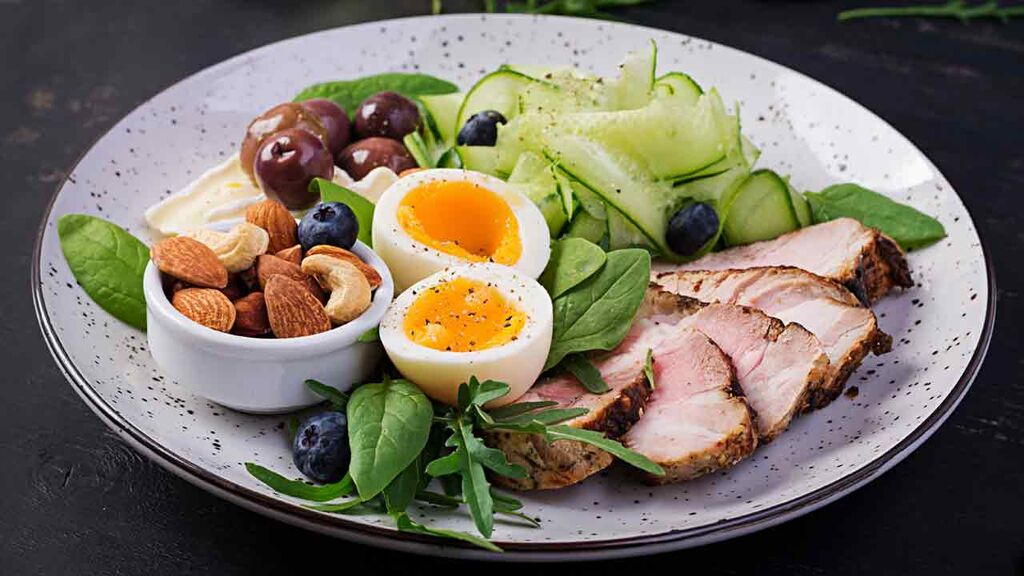
How your goals change the exercise and nutrition balance
Rather than asking whether exercise or nutrition matters more in general, a better question is which one deserves more attention for a specific outcome.
Fat loss
For fat loss, nutrition plays the dominant role.
- A consistent calorie deficit is required
- Exercise supports fat loss but rarely creates the deficit on its own
- Training helps preserve muscle and maintain metabolic health
- Exercise improves the quality of weight loss, but nutrition largely determines whether fat loss happens at all
This distinction is explored in more detail in our article Why Exercise Alone Isn’t Enough for Fat Loss.
Muscle gain and body composition
For building muscle or improving body composition, exercise and nutrition are closely linked.
- Training provides the stimulus for growth
- Nutrition supports recovery and adaptation
- Adequate protein and sufficient energy intake are important
Without training, extra calories lead primarily to fat gain. Without adequate nutrition, training adaptations are limited.
Performance and skill development
When performance and skill are the main goals, exercise becomes the priority.
- Skill acquisition depends on quality practice
- Strength development requires progressive overload
- Nutrition supports recovery but is rarely the main limiter early on
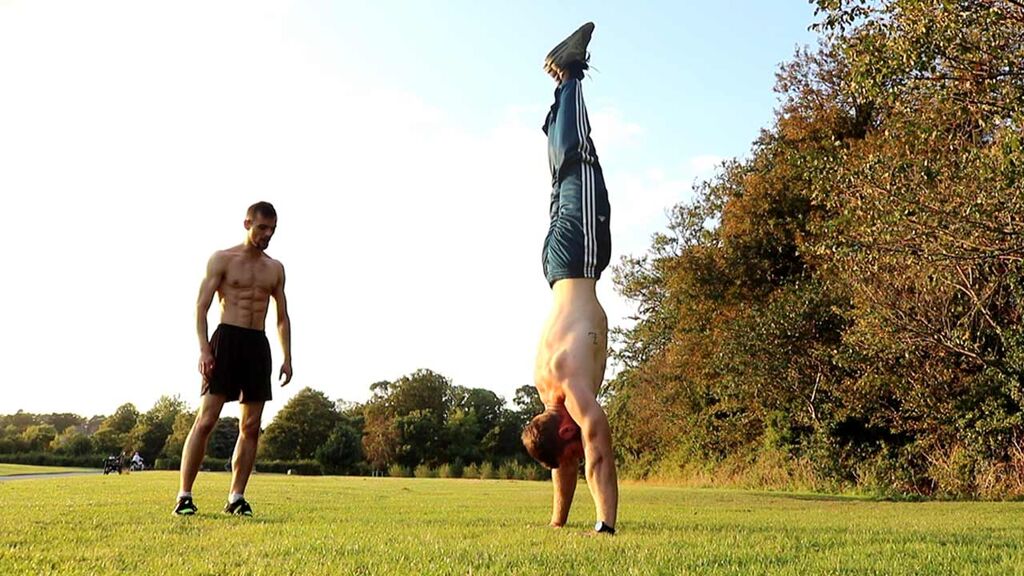
In calisthenics especially, strength and skill progression depend far more on consistent, high-quality practice than on perfect nutrition in the early stages.
General health and longevity
For long-term health, sustainability matters more than precision. This means regular movement, reasonable nutrition habits, and avoiding extremes.
Why beginners often see results without diet changes
Many people point to early progress as proof that diet is not important. In reality, beginners benefit from a highly responsive phase.
Early improvements come from:
- Increased activity levels
- Improved neuromuscular coordination
- Muscle activation and tone
- Reduced sedentary time
These changes can noticeably affect how the body looks and feels, even if nutrition remains unchanged.
This phase is real, but it is temporary.
Why people want a single answer
Many people want a clear winner in the exercise versus nutrition debate. They want to know which one matters more so they can focus their effort in one place and ignore the rest.
This is understandable. Life is busy, attention is limited, and committing fully to both training and nutrition can feel overwhelming. Choosing one feels simpler and more manageable.
The problem is that the body does not adapt based on convenience. It responds to input over time.
When people are told that exercise is everything, they often train hard while overlooking daily habits that quietly undermine progress. When they are told nutrition is everything, they may focus on food while neglecting movement, strength, and physical capability.
Both approaches often feel motivating initially but tend to break down when expectations and outcomes stop aligning.
Real progress usually comes when people stop looking for a single solution and start accepting that different inputs matter at different stages. Training and nutrition are not competing priorities. They are complementary tools that solve different problems.
Knowing this makes progress more predictable and sustainable over time.

When nutrition becomes the limiting factor
As training experience increases, the body becomes more efficient. Progress slows unless additional variables are addressed.
This is where many people feel stuck:
- Training consistently
- Feeling stronger and fitter
- Seeing little change in body fat or appearance
At this stage, the issue is rarely effort. It is alignment and understanding what is required to reach your goal. Nutrition becomes the primary factor limiting further progress.
This question is addressed directly in our article Can You Change Your Body Without Changing Your Diet?
Common mistakes when balancing exercise and nutrition
Overestimating calories burned
Workouts burn fewer calories than many people expect, often leading to compensatory eating that cancels out progress.
Undereating and overtraining
Reducing food intake while increasing training volume can impair recovery, stall performance, and increase injury risk.
Chasing extremes
Aggressive dieting combined with intense training often produces short-term results followed by burnout or regression.
Ignoring consistency
Progress is driven by what happens most of the time, not by occasional perfect weeks.
What an effective balance looks like in practice
For most people, a sustainable approach includes:
- Structured, progressive training
- Basic nutritional awareness rather than rigid rules
- Gradual adjustments rather than sudden overhauls
- Habits that fit real life and can be maintained long term
This supports performance and body composition without unnecessary restriction.
How to apply this without overthinking it
- If fat loss is the goal = prioritise nutrition consistency and train 2 to 4 times per week
- If strength and skills are the goal = prioritise training quality and eat enough to recover
- If body composition progress has stalled = do not add more workouts, review food habits first
- If everything feels overwhelming = fix one habit at a time, not everything at once
Simple adjustments applied consistently beat complex plans applied briefly.
Why Progress Can Stall Even When You’re Training Hard
Even with consistent training and good effort, results do not always appear in the way people expect. This is where most frustration comes from.
In practice, stalled progress is rarely a lack of discipline. It is usually a misunderstanding of which variable is limiting progress at that stage.
Strength and muscle are improving, yet your bodyweight hasn’t changed
Clothes may fit differently and performance is improving, but the scale remains the same. This is often the result of body recomposition, where fat loss and muscle gain happen at the same time. When bodyweight is the only metric used, progress can feel invisible.
If this sounds familiar, it may help to reframe how progress is being measured.
Find out Why Your Weight Isn’t Changing Even Though You’re Training.
Training volume feels high, but fat loss has slowed or stopped
Workouts feel demanding and consistency is high, yet additional training is no longer producing meaningful fat loss. At this point, increasing volume often delivers diminishing returns and can increase fatigue without improving outcomes.
When training is already sufficient, nutrition and recovery usually become the limiting factors.
Read more in How Much Exercise Do You Really Need for Fat Loss?
Why the exercise vs nutrition debate misses the point
Exercise and nutrition are not competing forces. They serve different purposes.
Exercise builds strength, capacity, and skill.
Nutrition determines how those adaptations express themselves physically.
Without training, weight loss often leads to muscle loss and reduced physical ability.
Without nutrition alignment, training adaptations remain hidden or limited.
The most reliable results come from consistency in both, not perfection in either.
Choosing the right variable to adjust
Rather than questioning whether exercise or nutrition matters more, it’s better to identify which part of your approach needs adjusting right now.
- If training is inconsistent, exercise is the priority
- If training is consistent but fat loss has stalled, nutrition becomes the primary factor
- If performance is improving but bodyweight remains unchanged, progress is often being misinterpreted rather than missing
Each of these situations requires a different response. Adding more training is rarely the solution when progress has already plateaued.
The supporting guides linked above break down these scenarios in more detail and help clarify what actually needs attention, rather than increasing effort blindly.
Final thoughts
When it comes to exercise vs nutrition, both matter, but not always equally and not always at the same time.
Training tells your body what to become.
Nutrition determines how effectively it can get there.
Understanding when to prioritise each allows you to train smarter, manage expectations, and achieve results that last.
Miko | Calisthenics Ireland
Miko is a personal trainer and FRC mobility specialist with a keen passion for human anatomy, functional movement and posture.
Linkedin